erin bullerdieck
Strategist. Graphic Artist. Unrealist.


Design for Humans
Psychology + Storytelling
People rarely remember information alone. They remember how it made them feel, what made them laugh, and the stories they saw themselves in. These projects combine cognitive psychology, learning theory, storytelling, humor, and emotion to create learning experiences for humans.
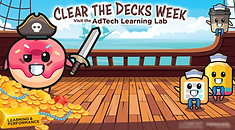
AdTech Learning Lab
Client:
Fortune 50 media conglomerate
Tools/Software:
Adobe CS, Articulate, Sharepoint
Contribution:
Microlearning concept, visual identity/brand, scripting, character building + animation,
graphic design, course development, stakeholder management
Problem:
Available industry training lacked the technical depth and business-specific tech needed for customer-facing sales conversations,
Solution:
A reusable content framework that could scale across courses and designers to enable consistent learning experiences across topics. By blending storytelling, animation, humor, and recognition, the AdTech Learning Lab made ad tech concepts more engaging and relevant, enabling sellers to have more effective customer conversations.
Select learning principles included:
-
Cognitive Theory of Multimedia Learning: Combined animation, narration, visual metaphors, and concise content to reduce cognitive overload and improve retention.
-
Von Restorff Effect: Distinctive, game-inspired characters instead of corporate avatars to make key concepts more memorable.
-
Kindchenschema: Appealing character design to increase attention, engagement, and emotional connection.
-
Self-Determination Theory: Incorporated digital credentials and shareable LinkedIn badges to support motivation, achievement, and professional identity.
Results:
Enabled 31% AdTech proficiency increase, over 1100 badges earned or in progress since launch and confidence in ad tech concepts soared pre/post with an average 49.2% boost across the board.




Dig-In Reduction Program
Client:
CA-based energy provider serving
millions of customers
Tools/Software:
Adobe CS, Articulate
Contribution:
End-to-end course development,
stakeholder management, graphic design
Overview:
I designed this learning experience to address a critical safety challenge: preventing utility strike ("dig-in") incidents. Rather than relying on a traditional compliance-focused approach, I designed the experience around how people learn, make decisions, and assess risk in real-world situations.
Select learning and psychology principles included:
-
Source Credibility and Authority Bias: Narrated by a highly respected VP with more than 30 years of experience to build trust and increase learner buy-in.
-
Situated Learning Theory: Used photographs from local neighborhoods and job sites so learners could recognize hazards and apply lessons in contexts that mirrored their daily work.
-
Affective Learning Principles: Incorporated real footage of fires, explosions, and other utility strike incidents to create an emotional connection and strengthen attention, memory, and behavior change.
-
Dual Coding and Narrative Learning: Combined storytelling, animation, video, narration, and realistic scenarios to improve understanding, retention, and recall of critical safety procedures.
Results:
The training contributed to a 12% year-over-year reduction in dig-in events.


